
Rebuild Credit Score After Bankruptcy
Rebuild credit score after bankruptcy
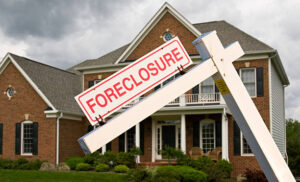
Facing Foreclosure
If you are facing foreclosure and the loss of your property you may want to consider your options in bankruptcy. There are many options available to you. If you are losing your home and the house has not gone to foreclosure sale yet, you can file a chapter 13 bankruptcy. This would allow you to pay the past due mortgage payments over time and save the home.
If you do not want to save the home but are afraid of losing your equity, you can file a chapter 13 bankruptcy with a sales plan. If you home is foreclosed your will most likely lose a lot or all of your equity. Generally, banks do not care if you make a profit from the home sale and are only interested in getting their money back. If you file a chapter 13 bankruptcy with a sales plan you can stop the foreclosure and sell the home for full market value. This way the bank gets their money back and you can keep the equity or use the equity to pay off other debts.
In some situations it can be advantageous to file a chapter 7 bankruptcy and allow the Chapter 7 Bankruptcy Trustee to sell the property for you. By doing this you can get full market value and preserve or save your equity and pay off other debts. The Chapter 7 Bankruptcy Trustee, and not you, has the power to stop the sale and get the most reasonable price for the home. The property would temporarily belong to the trustee who, generally speaking, has a lot more authority and power over bankruptcy assets. Otherwise, if the house went to foreclosure, you may end up with a deficiency balance and now owe more money or you could end up with little or nothing at all. If there is equity in your home and there is a threat of you losing it bankruptcy may be in your best interest.
Whether you file a chapter 13 bankruptcy or a chapter 7 bankruptcy the Bankruptcy Court will immediately impose the automatic stay which is like a restraining order against all of your creditors. This will allow you time to make a rational decision and sell your property for the full market value instead of losing the property to foreclosure sale or having to sell it fast at a greatly reduced price.
BANKRUPTCY – UNDECIDED OR UNSURE WHAT TO DO?
Talk To Us About Your Options:
We always tell potential clients to talk to us first to see if bankruptcy is in their best interest. The consultation is always free. Talk with Attorney Robert Simonian or Attorney Anthony Bucacci in private and in total confidentiality to see if filing bankruptcy in Massachusetts is right for you.
We can almost always come up with a solution to your financial problem. We have filed over 10,000 cases in the past 26 years and there are very few scenarios that we have not seen. We are known for our hard work, diligence, creativity and problem solving abilities. Often we are the bankruptcy attorneys other attorneys come to with difficult cases. Call today to see what we can do for you and what options are available. Often people believe they are the only ones with financial problems and are embarrassed of their situation. This is simply not true and many famous people have had to file for bankruptcy to get a fresh start.
Why Call Bucacci & Simonian:
We are known as one of the best bankruptcy attorneys in Southeastern Massachusetts serving the Bristol County and Plymouth County areas. Please inquire with anyone as to our reputation. Reputation is everything and we are very proud of ours. We have received numerous awards from various agencies and courts including the Bankruptcy Court in Boston, Massachusetts.
Using our knowledge and skill we have had several clients complete their five year Chapter 13 bankruptcy plans where they own their home FREE & CLEAR OF MORTGAGES. We understand how important it is to save clients’ homes from foreclosure, keep their cars from being repossessed and stop creditors from suing them and attaching their wages or attempting to seize their assets. This can be stopped almost instantly and we make every effort to be very available to your clients and can accommodate emergency situations. One of our most famous cases involved saving a clients’s multi-family home. https://www.courtlistener.com/opinion/1863802/in-re-brizida/
What to Avoid:
Do not attempt to file for bankruptcy on your own. You can make your situation much, much worse. If the bankruptcy petition is not correct you could lose your home, your car or possessions or you could be asked to file a different kind of bankruptcy where you have to make monthly payments when it could have been avoided. If you are not properly represented a bankruptcy trustee may foreclose on your house, allow your car to be repossessed, seize a tax refund or other assets. You could file under the wrong chapter, apply the wrong exemptions, fail to file all of the necessary forms or not understand the significance of important forms.
Protect Yourself:
Call us today for a free and complete bankruptcy consultation. We can protect you from your creditors and protect your home, cars, jewelry and other assets. Creditors and collection lawyers have a job to do and it may seem that they are heartless and will take anything they can from you. They are represented and you should be too. Call us today. The Federal Bankruptcy Court indicated that seeking the advice of a qualified attorney is strongly recommended. https://www.uscourts.gov/services-forms/bankruptcy/filing-without-attorney
Overdue Bills
Overdue Bills
Massachusetts Bankruptcy Lawyers Anthony Bucacci and Robert Simonian (508)673-9500
What Debts Must I Continue to Pay During My Chapter 7 Bankruptcy?
When you file for Chapter 7 bankruptcy, there are some debts that you must or should continue to pay.
Filing for Chapter 7 bankruptcy can wipe out many types of debt and help you get a fresh financial start. But not all obligations will go away. Find out which debts you should continue to pay if you file a Chapter 7 case.
What You’ll Pay During Chapter 7
Filing for Chapter 7 bankruptcy is an excellent way to get out from under dischargeable debt, such as credit card balances, medical bills, personal loans–especially if you don’t own much property, and you meet income requirements (you’ll know after taking the means test).
But Chapter 7 bankruptcy doesn’t help you get rid of everything you owe. Here are two types of debt that you’ll want to continue paying during your case.
Post-Petition Debt: Bills Incurred After Filing for Bankruptcy
When your bankruptcy case is pending, it’s common to get a bill and wonder whether the balance will be included in your matter. If you incurred the debt after filing for bankruptcy, the court won’t include it in your bankruptcy. It’s a post-petition debt and you should pay it.
Examples of common post-petition debts include:
- domestic support obligations, such as child and spousal support
- utilities
- rent and lease payments
- condo or homeowners association (HOA) fees
- most taxes, and
- insurance.
Whether the court will wipe out a balance that existed before the bankruptcy filing will depend on whether the obligation qualifies for a discharge. For instance, a utility balance predating the bankruptcy will likely get wiped out because most utility bills are dischargeable. By contrast, child support arrearages aren’t dischargeable, so you’ll continue to owe any outstanding arrearages after the case.
Debt Secured by Collateral: Mortgages, Car Loans, and More
When you purchase expensive property on credit, the lender often requires collateral in case you fail to pay the loan. Known as a “secured debt,” this type of loan is used when taking out a:
- mortgage
- home equity line of credit
- car loan, or
- a loan for business property, such as fixtures or equipment.
Whether you can discharge a secured debt will depend on if you return the property you pledged as collateral. If you give the collateral back to the bank, the loan associated with it will be dischargeable in your bankruptcy case.
By contrast, if you want to keep collateral in Chapter 7 bankruptcy, you should continue making regular payments until you satisfy the loan. Otherwise, the lender can use its lien rights—a type of ownership interest in the property—to take back the property in a foreclosure or repossession.
If you fall behind while you’re in bankruptcy, the bank must file a motion and get permission from the court to proceed against the property; however, once the case ends, the lender is free to pursue its lien rights.
Most Payment Responsibility Stops During Bankruptcy
Even if you can’t discharge all of your debt, you still might get a brief payment break. The automatic stay protection that stops most creditors from engaging in collection attempts during bankruptcy extends to most debts that you can’t discharge, including:
- student loans
- most taxes, and
- government or court fines and penalties.
Keep in mind, however, that once your bankruptcy case is closed and the automatic stay is terminated, you will remain legally obligated to pay those nondischargeable debts. (Learn which debts cannot be discharged in Chapter 7 bankruptcy.)
How much you’ll have to pay after your Chapter 7 case will depend on whether you have property that isn’t protected by a bankruptcy exemption. Since many Chapter 7 filers can keep all of their property, most nondischargeable debt balances will remain the same.
The amount you owe should drop, however, if the bankruptcy trustee appointed to your case can sell nonexempt property and use the funds to pay down creditors according to the priority payment system. The system ensures payment of important debt (such as nondischargeable support obligations and taxes) before less essential obligations (such as credit card balances and student loan debt).
Example. Carter couldn’t make the monthly payment on his credit card balance of $25,000. He also owed $2,000 in child support arrearages and $1,500 from the prior year’s taxes. Needing a fresh start, he filed for Chapter 7 bankruptcy, even though he couldn’t protect his skeet shooting guns worth $10,000. The trustee sold the guns and, following payment priority rules, paid the child support and tax arrearages in full before applying the balance toward the credit card debt. Because the remaining credit card balance qualified for a discharge, at the end of his case, Carter was free of debt.
Voluntary Debt Repayment
You might decide to repay a debt that would be discharged in your bankruptcy—especially if you owe money to a friend or relative, or wish to continue seeing a particular medical provider. Keep in mind that you can’t use assets that creditors are entitled to receive. To avoid trouble, the simplest approach might be to wait to make the voluntary debt repayment until after your bankruptcy closes.
Foreclosure
Foreclosure
Massachusetts Bankruptcy Lawyers Anthony Bucacci and Robert Simonian (508)673-9500
Should You File for Bankruptcy Before or After Foreclosure?
For most people, filing for Chapter 7 bankruptcy before foreclosure is better than the other way around.
If you know you’re going to lose your house in foreclosure, and you also plan on filing for bankruptcy, should you file for bankruptcy before or after foreclosure? Sometimes you have no choice. But if you do, you will most likely benefit more if you file for bankruptcy before your house is foreclosed. Read on to find out why.
(For the purpose of this article, we assume you will file for Chapter 7 bankruptcy rather than Chapter 13 bankruptcy. See How Chapter 13 Bankruptcy Affects Mortgages and Foreclosure for information on Chapter 13 bankruptcy and foreclosure.)
Deficiency After Foreclosure: When You Owe Money After the Foreclosure Sale
When a house is sold in foreclosure, the price at which the home is sold is often much less than the outstanding amount of the mortgage. This is especially true these days, when home prices are depressed throughout the U.S. The difference between the amount owed on the mortgage and the foreclosure sale price is called the “deficiency.” (Some states cap the amount of the deficiency to the difference between the property’s fair market value and the foreclosure sale price.)
Can the Lender Collect the Deficiency?
Whether your lender can come after you for the deficiency depends on the state you live in. Some states, including California, bar lenders from going after borrowers for a deficiency if the underlying mortgage was secured by the borrower’s principal residence. In most nonjudicial foreclosure states (states that allow lenders to pursue foreclosure without suing the borrower in court) and a few judicial foreclosure states (states that require lenders to sue borrowers in court before foreclosing), lenders have the right to recover a deficiency only if they file a separate lawsuit against the borrower. Because of the expense (and because borrowers who lose their homes in foreclosure often don’t have much in the way of income or assets), lenders frequently forego this right. (To find out what the law is in your state, see the Mortgage Deficiency Laws topic page and the article on Anti-Deficiency Laws.)
You May Owe Taxes if Your Lender Forgives the Deficiency
If your lender doesn’t pursue you for the deficiency and instead cancels the debt, in the eyes of the IRS you have just received taxable income. As far as the IRS is concerned, you once owed a certain amount of money (say, $20,000); you now no longer owe the $20,000; therefore, you’ve received a windfall of $20,000. You will have to pay income tax on that forgiven debt unless you qualify for one of two exceptions: the Mortgage Debt Relief Act of 2007 exception or the insolvency exception.
The Mortgage Debt Relief Act of 2007 is a federal law that excludes from taxable income forgiven debt that was (a) taken out to buy, build, or substantially improve the borrower’s principal residence (or to refinance a mortgage taken out to buy, build, or substantially improve the borrower’s principal residence), and (b) secured by the borrower’s principal residence. The maximum amount of forgiven debt that can be claimed under this exception is $2 million (or $1 million if you’re married but you file separately). This exclusion only applies to loans taken out during the calendar years of 2007 through 2013. (Congress is currently considering a bill which would extend that through 2015.) For more details and updates on this Act, see Nolo’s article Canceled Mortgage Debt: What Happens at Tax Time?
To qualify for the insolvency exception, you must show the IRS that you were insolvent when the debt was cancelled. You were insolvent if the total of all of your liabilities was greater than the total of all of your assets
To learn more about the Mortgage Debt Relief Act of 2007 and insolvency exceptions, visit the IRS website at www.irs.gov and search for “mortgage debt forgiveness” and “publication 4681.”
Will the Deficiency Be Discharged in Bankruptcy?
Filing for bankruptcy will eliminate some but not all of your debts. If your lender comes after you for the deficiency, and you file for bankruptcy afterwards, bankruptcy will wipe out the deficiency debt. On the other hand, if your lender forgives the deficiency before you file for bankruptcy, and you don’t qualify for any of the exceptions that would exclude the cancelled debt from your taxable income, filing for bankruptcy afterwards will most likely be of no help in eliminating your tax debt.
If you file for bankruptcy before foreclosure, your mortgage debt will be discharged. (Although the lien will remain, which means that if you default on payments, the lender can still foreclose.) Because there is no longer any mortgage debt, after the foreclosure sale there will be no deficiency and no tax liability for any cancelled deficiency debt.
Another Benefit of Filing for Bankruptcy Before Foreclosure
As soon as you file for bankruptcy, an order called an “automatic stay” is issued by the court. The automatic stay prohibits your creditors from pursuing any collection activities, including any action related to a pending foreclosure. While your bankruptcy winds its way through the court system, which could take three or four months, you have the opportunity to build up your savings by living in your home without paying any mortgage or rent.
Your lender has the right to ask the bankruptcy court to lift the automatic stay and allow them to go forward with the foreclosure. Nowadays, with the glut of foreclosed homes on the market, many lenders are foregoing this right and waiting for bankruptcy cases to conclude before continuing with foreclosures.
Get Professional Help
Financial Hardship
Financial Hardship
Massachusetts Bankruptcy Lawyers Anthony Bucacci and Robert Simonian (508)673-9500
Chapter 13 Bankruptcy: Hardship Discharge
If you run into permanent financial trouble while in Chapter 13 bankruptcy, you may be able to get your debts discharged early.
When you file for Chapter 13 bankruptcy, you don’t usually receive a discharge until you complete your repayment plan. But a Chapter 13 plan typically lasts three to five years, so it’s not uncommon to experience a significant change in financial circumstances. If you can’t continue to make your payments, you can ask the court for a hardship discharge. Read on to learn more.
What Is a Chapter 13 Hardship Discharge?
A hardship discharge is a discharge the court grants you before you complete all of the required payments under your Chapter 13 repayment plan. To receive a hardship discharge, you must file a motion with the bankruptcy court and satisfy all three of the following conditions:
- You failed to complete your payments because of circumstances beyond your control.
- Your unsecured creditors already received as much money as they would have received under Chapter 7 bankruptcy.
- Modification of your repayment plan is not feasible.
Circumstances That Might Justify a Hardship Discharge
To qualify for a hardship discharge, the change in your circumstances must not be your fault. Also, you must typically show that a serious and permanent reason or condition prevents you from completing your plan, such as a life-changing medical condition that arose after filing your case. Temporarily losing your job or experiencing a decrease in income is not sufficient. In that situation, you might want to consider converting your case to Chapter 7.
Distribution to Unsecured Creditors
Before you can receive a hardship discharge, you must show the court that your Chapter 13 plan has already paid your unsecured creditors—those debts that aren’t secured by collateral—as much money as they would have received in Chapter 7 bankruptcy.
The amount of money your unsecured creditors would have received in Chapter 7 bankruptcy depends on the amount of nonexempt property you own. Nonexempt property gets sold in Chapter 7. By contrast, you pay your creditors for nonexempt property as part of your Chapter 13 repayment plan—which is why you get to keep it.
If you’re paying for a significant amount of nonexempt property in your plan and your Chapter 13 plan was recently confirmed (approved), you might not have paid your unsecured creditors enough to qualify for a hardship discharge.
When Is a Chapter 13 Plan Modification Not Feasible?
If your circumstances change after filing for Chapter 13 bankruptcy, bankruptcy laws allow you to modify your plan accordingly. For example, if your income goes down during bankruptcy, you might be able to modify your plan to reduce your payment amount. A judge can reduce the amount you’re paying toward nonpriority, unsecured debt, such as credit card balances, medical bills, and personal loans.
Ultimately, you must show the court that modifying your plan is not feasible or practical—that your circumstances are so dire that even a modification would not help you complete your plan.
What Debts Will a Hardship Discharge Eliminate?
A Chapter 13 hardship discharge is similar to a Chapter 7 bankruptcy discharge, and some debts survive Chapter 7 because it wipes out only dischargeable nonpriority unsecured debts. A Chapter 13 hardship discharge won’t eliminate the following types of debts:
- priority debt
- student loans, and
- other debts that are nondischargeable in Chapter 7 bankruptcy.
Also, many people file for Chapter 13 to help keep a home, and you’ll lose that benefit if you receive a Chapter 13 hardship. Once you’re no longer making Chapter 13 repayment plan payments, you won’t be able to catch up on missed mortgage or car loan payments or other past-due secured debt (obligations secured by collateral) and you could lose your house or vehicle. Consider contacting the lender about available options.
Also, because a Chapter 13 hardship discharge is so similar to a Chapter 7 discharge, you might find it helpful to learn about the differences between Chapter 7 and 13 bankruptcy.
Consult With a Bankruptcy Lawyer
It’s not uncommon for a debtor to have an income change during a Chapter 13 case. If you can’t pay your current payment, you’ll want to see if it can be adjusted before you drop out of your plan altogether. Your bankruptcy lawyer will review your matter and advise you of the best course of action.
Filing Chapter 13
Filing Chapter 13
Massachusetts Bankruptcy Lawyers Anthony Bucacci and Robert Simonian (508)673-9500
Chapter 13 – Bankruptcy Basics
This chapter of the Bankruptcy Code provides for adjustment of debts of an individual with regular income. Chapter 13 allows a debtor to keep property and pay debts over time, usually three to five years.
Background
A chapter 13 bankruptcy is also called a wage earner’s plan. It enables individuals with regular income to develop a plan to repay all or part of their debts. Under this chapter, debtors propose a repayment plan to make installments to creditors over three to five years. If the debtor’s current monthly income is less than the applicable state median, the plan will be for three years unless the court approves a longer period “for cause.” (1) If the debtor’s current monthly income is greater than the applicable state median, the plan generally must be for five years. In no case may a plan provide for payments over a period longer than five years. 11 U.S.C. § 1322(d). During this time the law forbids creditors from starting or continuing collection efforts.
This chapter discusses six aspects of a chapter 13 proceeding: the advantages of choosing chapter 13, the chapter 13 eligibility requirements, how a chapter 13 proceeding works, making the plan work, and the special chapter 13 discharge.
Advantages of Chapter 13
Chapter 13 offers individuals a number of advantages over liquidation under chapter 7. Perhaps most significantly, chapter 13 offers individuals an opportunity to save their homes from foreclosure. By filing under this chapter, individuals can stop foreclosure proceedings and may cure delinquent mortgage payments over time. Nevertheless, they must still make all mortgage payments that come due during the chapter 13 plan on time. Another advantage of chapter 13 is that it allows individuals to reschedule secured debts (other than a mortgage for their primary residence) and extend them over the life of the chapter 13 plan. Doing this may lower the payments. Chapter 13 also has a special provision that protects third parties who are liable with the debtor on “consumer debts.” This provision may protect co-signers. Finally, chapter 13 acts like a consolidation loan under which the individual makes the plan payments to a chapter 13 trustee who then distributes payments to creditors. Individuals will have no direct contact with creditors while under chapter 13 protection.
Chapter 13 Eligibility
Any individual, even if self-employed or operating an unincorporated business, is eligible for chapter 13 relief as long as the individual’s unsecured debts are less than $394,725 and secured debts are less than $1,184,200. 11 U.S.C. § 109(e). These amounts are adjusted periodically to reflect changes in the consumer price index. A corporation or partnership may not be a chapter 13 debtor. Id.
An individual cannot file under chapter 13 or any other chapter if, during the preceding 180 days, a prior bankruptcy petition was dismissed due to the debtor’s willful failure to appear before the court or comply with orders of the court or was voluntarily dismissed after creditors sought relief from the bankruptcy court to recover property upon which they hold liens. 11 U.S.C. §§ 109(g), 362(d) and (e). In addition, no individual may be a debtor under chapter 13 or any chapter of the Bankruptcy Code unless he or she has, within 180 days before filing, received credit counseling from an approved credit counseling agency either in an individual or group briefing. 11 U.S.C. §§ 109, 111. There are exceptions in emergency situations or where the U.S. trustee (or bankruptcy administrator) has determined that there are insufficient approved agencies to provide the required counseling. If a debt management plan is developed during required credit counseling, it must be filed with the court.
How Chapter 13 Works
A chapter 13 case begins by filing a petition with the bankruptcy court serving the area where the debtor has a domicile or residence. Unless the court orders otherwise, the debtor must also file with the court: (1) schedules of assets and liabilities; (2) a schedule of current income and expenditures; (3) a schedule of executory contracts and unexpired leases; and (4) a statement of financial affairs. Fed. R. Bankr. P. 1007(b). The debtor must also file a certificate of credit counseling and a copy of any debt repayment plan developed through credit counseling; evidence of payment from employers, if any, received 60 days before filing; a statement of monthly net income and any anticipated increase in income or expenses after filing; and a record of any interest the debtor has in federal or state qualified education or tuition accounts. 11 U.S.C. § 521. The debtor must provide the chapter 13 case trustee with a copy of the tax return or transcripts for the most recent tax year as well as tax returns filed during the case (including tax returns for prior years that had not been filed when the case began). Id. A husband and wife may file a joint petition or individual petitions. 11 U.S.C. § 302(a). (The Official Forms may be purchased at legal stationery stores or downloaded from the Internet at www.uscourts.gov/bkforms/index.html. They are not available from the court.)
The courts must charge a $235 case filing fee and a $75 miscellaneous administrative fee. Normally the fees must be paid to the clerk of the court upon filing. With the court’s permission, however, they may be paid in installments. 28 U.S.C. § 1930(a); Fed. R. Bankr. P. 1006(b); Bankruptcy Court Miscellaneous Fee Schedule, Item 8. The number of installments is limited to four, and the debtor must make the final installment no later than 120 days after filing the petition. Fed. R. Bankr. P. 1006(b). For cause shown, the court may extend the time of any installment, as long as the last installment is paid no later than 180 days after filing the petition. Id. The debtor may also pay the $75 administrative fee in installments. If a joint petition is filed, only one filing fee and one administrative fee are charged. Debtors should be aware that failure to pay these fees may result in dismissal of the case. 11 U.S.C. § 1307(c)(2).
In order to complete the Official Bankruptcy Forms that make up the petition, statement of financial affairs, and schedules, the debtor must compile the following information:
- A list of all creditors and the amounts and nature of their claims;
- The source, amount, and frequency of the debtor’s income;
- A list of all of the debtor’s property; and
- A detailed list of the debtor’s monthly living expenses, i.e., food, clothing, shelter, utilities, taxes, transportation, medicine, etc.
Married individuals must gather this information for their spouse regardless of whether they are filing a joint petition, separate individual petitions, or even if only one spouse is filing. In a situation where only one spouse files, the income and expenses of the non-filing spouse is required so that the court, the trustee and creditors can evaluate the household’s financial position.
When an individual files a chapter 13 petition, an impartial trustee is appointed to administer the case. 11 U.S.C. § 1302. In some districts, the U.S. trustee or bankruptcy administrator (2) appoints a standing trustee to serve in all chapter 13 cases. 28 U.S.C. § 586(b). The chapter 13 trustee both evaluates the case and serves as a disbursing agent, collecting payments from the debtor and making distributions to creditors. 11 U.S.C. § 1302(b).
Filing the petition under chapter 13 “automatically stays” (stops) most collection actions against the debtor or the debtor’s property. 11 U.S.C. § 362. Filing the petition does not, however, stay certain types of actions listed under 11 U.S.C. § 362(b), and the stay may be effective only for a short time in some situations. The stay arises by operation of law and requires no judicial action. As long as the stay is in effect, creditors generally may not initiate or continue lawsuits, wage garnishments, or even make telephone calls demanding payments. The bankruptcy clerk gives notice of the bankruptcy case to all creditors whose names and addresses are provided by the debtor.
Chapter 13 also contains a special automatic stay provision that protects co-debtors. Unless the bankruptcy court authorizes otherwise, a creditor may not seek to collect a “consumer debt” from any individual who is liable along with the debtor. 11 U.S.C. § 1301(a). Consumer debts are those incurred by an individual primarily for a personal, family, or household purpose. 11 U.S.C. § 101(8).
Individuals may use a chapter 13 proceeding to save their home from foreclosure. The automatic stay stops the foreclosure proceeding as soon as the individual files the chapter 13 petition. The individual may then bring the past-due payments current over a reasonable period of time. Nevertheless, the debtor may still lose the home if the mortgage company completes the foreclosure sale under state law before the debtor files the petition. 11 U.S.C. § 1322(c). The debtor may also lose the home if he or she fails to make the regular mortgage payments that come due after the chapter 13 filing.
Between 21 and 50 days after the debtor files the chapter 13 petition, the chapter 13 trustee will hold a meeting of creditors. If the U.S. trustee or bankruptcy administrator schedules the meeting at a place that does not have regular U.S. trustee or bankruptcy administrator staffing, the meeting may be held no more than 60 days after the debtor files. Fed. R. Bankr. P. 2003(a). During this meeting, the trustee places the debtor under oath, and both the trustee and creditors may ask questions. The debtor must attend the meeting and answer questions regarding his or her financial affairs and the proposed terms of the plan.11 U.S.C. § 343. If a husband and wife file a joint petition, they both must attend the creditors’ meeting and answer questions. In order to preserve their independent judgment, bankruptcy judges are prohibited from attending the creditors’ meeting. 11 U.S.C. § 341(c). The parties typically resolve problems with the plan either during or shortly after the creditors’ meeting. Generally, the debtor can avoid problems by making sure that the petition and plan are complete and accurate, and by consulting with the trustee prior to the meeting.
In a chapter 13 case, to participate in distributions from the bankruptcy estate, unsecured creditors must file their claims with the court within 90 days after the first date set for the meeting of creditors. Fed. R. Bankr. P. 3002(c). A governmental unit, however, has 180 days from the date the case is filed file a proof of claim.11 U.S.C. § 502(b)(9).
After the meeting of creditors, the debtor, the chapter 13 trustee, and those creditors who wish to attend will come to court for a hearing on the debtor’s chapter 13 repayment plan.
The Chapter 13 Plan and Confirmation Hearing
Unless the court grants an extension, the debtor must file a repayment plan with the petition or within 14 days after the petition is filed. Fed. R. Bankr. P. 3015. A plan must be submitted for court approval and must provide for payments of fixed amounts to the trustee on a regular basis, typically biweekly or monthly. The trustee then distributes the funds to creditors according to the terms of the plan, which may offer creditors less than full payment on their claims.
There are three types of claims: priority, secured, and unsecured. Priority claims are those granted special status by the bankruptcy law, such as most taxes and the costs of bankruptcy proceeding. (3) Secured claims are those for which the creditor has the right take back certain property (i.e., the collateral) if the debtor does not pay the underlying debt. In contrast to secured claims, unsecured claims are generally those for which the creditor has no special rights to collect against particular property owned by the debtor.
The plan must pay priority claims in full unless a particular priority creditor agrees to different treatment of the claim or, in the case of a domestic support obligation, unless the debtor contributes all “disposable income” – discussed below – to a five-year plan.11 U.S.C. § 1322(a).
If the debtor wants to keep the collateral securing a particular claim, the plan must provide that the holder of the secured claim receive at least the value of the collateral. If the obligation underlying the secured claim was used to buy the collateral (e.g., a car loan), and the debt was incurred within certain time frames before the bankruptcy filing, the plan must provide for full payment of the debt, not just the value of the collateral (which may be less due to depreciation). Payments to certain secured creditors (i.e., the home mortgage lender), may be made over the original loan repayment schedule (which may be longer than the plan) so long as any arrearage is made up during the plan. The debtor should consult an attorney to determine the proper treatment of secured claims in the plan.
The plan need not pay unsecured claims in full as long it provides that the debtor will pay all projected “disposable income” over an “applicable commitment period,” and as long as unsecured creditors receive at least as much under the plan as they would receive if the debtor’s assets were liquidated under chapter 7. 11 U.S.C. § 1325. In chapter 13, “disposable income” is income (other than child support payments received by the debtor) less amounts reasonably necessary for the maintenance or support of the debtor or dependents and less charitable contributions up to 15% of the debtor’s gross income. If the debtor operates a business, the definition of disposable income excludes those amounts which are necessary for ordinary operating expenses. 11 U.S.C. § 1325(b)(2)(A) and (B). The “applicable commitment period” depends on the debtor’s current monthly income. The applicable commitment period must be three years if current monthly income is less than the state median for a family of the same size – and five years if the current monthly income is greater than a family of the same size. 11 U.S.C. § 1325(d). The plan may be less than the applicable commitment period (three or five years) only if unsecured debt is paid in full over a shorter period.
Within 30 days after filing the bankruptcy case, even if the plan has not yet been approved by the court, the debtor must start making plan payments to the trustee. 11 U.S.C. § 1326(a)(1). If any secured loan payments or lease payments come due before the debtor’s plan is confirmed (typically home and automobile payments), the debtor must make adequate protection payments directly to the secured lender or lessor – deducting the amount paid from the amount that would otherwise be paid to the trustee. Id.
No later than 45 days after the meeting of creditors, the bankruptcy judge must hold a confirmation hearing and decide whether the plan is feasible and meets the standards for confirmation set forth in the Bankruptcy Code. 11 U.S.C. §§ 1324, 1325. Creditors will receive 28 days’ notice of the hearing and may object to confirmation. Fed. R. Bankr. P. 2002(b). While a variety of objections may be made, the most frequent ones are that payments offered under the plan are less than creditors would receive if the debtor’s assets were liquidated or that the debtor’s plan does not commit all of the debtor’s projected disposable income for the three or five year applicable commitment period.
If the court confirms the plan, the chapter 13 trustee will distribute funds received under the plan “as soon as is practicable.” 11 U.S.C. § 1326(a)(2). If the court declines to confirm the plan, the debtor may file a modified plan. 11 U.S.C. § 1323. The debtor may also convert the case to a liquidation case under chapter 7. (4) 11 U.S.C. § 1307(a). If the court declines to confirm the plan or the modified plan and instead dismisses the case, the court may authorize the trustee to keep some funds for costs, but the trustee must return all remaining funds to the debtor (other than funds already disbursed or due to creditors). 11 U.S.C. § 1326(a)(2).
Occasionally, a change in circumstances may compromise the debtor’s ability to make plan payments. For example, a creditor may object or threaten to object to a plan, or the debtor may inadvertently have failed to list all creditors. In such instances, the plan may be modified either before or after confirmation. 11 U.S.C. §§ 1323, 1329. Modification after confirmation is not limited to an initiative by the debtor, but may be at the request of the trustee or an unsecured creditor. 11 U.S.C. § 1329(a).
Making the Plan Work
The provisions of a confirmed plan bind the debtor and each creditor. 11 U.S.C. § 1327. Once the court confirms the plan, the debtor must make the plan succeed. The debtor must make regular payments to the trustee either directly or through payroll deduction, which will require adjustment to living on a fixed budget for a prolonged period. Furthermore, while confirmation of the plan entitles the debtor to retain property as long as payments are made, the debtor may not incur new debt without consulting the trustee, because additional debt may compromise the debtor’s ability to complete the plan. 11 U.S.C. §§ 1305(c), 1322(a)(1), 1327.
A debtor may make plan payments through payroll deductions. This practice increases the likelihood that payments will be made on time and that the debtor will complete the plan. In any event, if the debtor fails to make the payments due under the confirmed plan, the court may dismiss the case or convert it to a liquidation case under chapter 7 of the Bankruptcy Code. 11 U.S.C. § 1307(c). The court may also dismiss or convert the debtor’s case if the debtor fails to pay any post-filing domestic support obligations (i.e., child support, alimony), or fails to make required tax filings during the case. 11 U.S.C. §§ 1307(c) and (e), 1308, 521.
The Chapter 13 Discharge
The bankruptcy law regarding the scope of the chapter 13 discharge is complex and has recently undergone major changes. Therefore, debtors should consult competent legal counsel prior to filing regarding the scope of the chapter 13 discharge.
A chapter 13 debtor is entitled to a discharge upon completion of all payments under the chapter 13 plan so long as the debtor: (1) certifies (if applicable) that all domestic support obligations that came due prior to making such certification have been paid; (2) has not received a discharge in a prior case filed within a certain time frame (two years for prior chapter 13 cases and four years for prior chapter 7, 11 and 12 cases); and (3) has completed an approved course in financial management (if the U.S. trustee or bankruptcy administrator for the debtor’s district has determined that such courses are available to the debtor). 11 U.S.C. § 1328. The court will not enter the discharge, however, until it determines, after notice and a hearing, that there is no reason to believe there is any pending proceeding that might give rise to a limitation on the debtor’s homestead exemption. 11 U.S.C. § 1328(h).
The discharge releases the debtor from all debts provided for by the plan or disallowed (under section 502), with limited exceptions. Creditors provided for in full or in part under the chapter 13 plan may no longer initiate or continue any legal or other action against the debtor to collect the discharged obligations.
As a general rule, the discharge releases the debtor from all debts provided for by the plan or disallowed, with the exception of certain debts referenced in 11 U.S.C. § 1328. Debts not discharged in chapter 13 include certain long term obligations (such as a home mortgage), debts for alimony or child support, certain taxes, debts for most government funded or guaranteed educational loans or benefit overpayments, debts arising from death or personal injury caused by driving while intoxicated or under the influence of drugs, and debts for restitution or a criminal fine included in a sentence on the debtor’s conviction of a crime. To the extent that they are not fully paid under the chapter 13 plan, the debtor will still be responsible for these debts after the bankruptcy case has concluded. Debts for money or property obtained by false pretenses, debts for fraud or defalcation while acting in a fiduciary capacity, and debts for restitution or damages awarded in a civil case for willful or malicious actions by the debtor that cause personal injury or death to a person will be discharged unless a creditor timely files and prevails in an action to have such debts declared nondischargeable. 11 U.S.C. §§ 1328, 523(c); Fed. R. Bankr. P. 4007(c).
The discharge in a chapter 13 case is somewhat broader than in a chapter 7 case. Debts dischargeable in a chapter 13, but not in chapter 7, include debts for willful and malicious injury to property (as opposed to a person), debts incurred to pay nondischargeable tax obligations, and debts arising from property settlements in divorce or separation proceedings. 11 U.S.C. § 1328(a).
The Chapter 13 Hardship Discharge
After confirmation of a plan, circumstances may arise that prevent the debtor from completing the plan. In such situations, the debtor may ask the court to grant a “hardship discharge.” 11 U.S.C. § 1328(b). Generally, such a discharge is available only if: (1) the debtor’s failure to complete plan payments is due to circumstances beyond the debtor’s control and through no fault of the debtor; (2) creditors have received at least as much as they would have received in a chapter 7 liquidation case; and (3) modification of the plan is not possible. Injury or illness that precludes employment sufficient to fund even a modified plan may serve as the basis for a hardship discharge. The hardship discharge is more limited than the discharge described above and does not apply to any debts that are nondischargeable in a chapter 7 case. 11 U.S.C. § 523.
Dos And Dont After Bankruptcy
DO:
| 1) | DO get copies of all three credit reports and make sure that all the accounts listed in your bankruptcy are being reported as discharged. Your can get credit reports for free. It is a good idea to wait about 30 to 45 days after the discharge enters. |
| 2) | DO get a secured credit card but make sure the card issuer reports your payments, has a grace period, and set a limit that is comfortable for you. |
| 3) | DO set up plan for your undischarged debts, such as student loans and taxes, and pay them off as quickly as possible. Call each creditor and make payment arrangements. |
| 4) | DO wait at least two years before applying for a mortgage to get the best interest rate. |
| 5) | DO try to use your new credit wisely and rebuild your credit score quickly. |
DON’Ts
| 1) | DON’T take every available credit offer that is mailed to you. You’re better off seeking out a good secured credit card on your own. |
| 2) | DON’T reaffirm debts such as your car, mortgage or major appliances without the advice of your attorney. |
| 3) | DON’T let creditors shame you into paying a higher interest rate because of your bankruptcy. Once you’ve paid regularly on a secured card for a while, you’re eligible for the going interest rates. Don’t be afraid to leave that offer and go elsewhere. |
| 4) | DON’T take out a car loan for too many years because there’s too great a risk of becoming “upside-down” on your loan and owing more than the car is worth. |
| 5) | DON’T go to “bad credit no problem” lenders! They usually take advantage of you with high interest rates and bad terms. |
You can be your own worst enemy after bankruptcy or you can be the best friend you’ve ever had. Follow these tips and you’ll soon be back on your financial feet and enjoying the fresh start you deserve.
Filing Chapter 7
Chapter 7 – Bankruptcy Basics
This chapter of the Bankruptcy Code provides for “liquidation” – the sale of a debtor’s nonexempt property and the distribution of the proceeds to creditors.
Alternatives to Chapter 7
Debtors should be aware that there are several alternatives to chapter 7 relief. For example, debtors who are engaged in business, including corporations, partnerships, and sole proprietorships, may prefer to remain in business and avoid liquidation. Such debtors should consider filing a petition under chapter 11 of the Bankruptcy Code. Under chapter 11, the debtor may seek an adjustment of debts, either by reducing the debt or by extending the time for repayment, or may seek a more comprehensive reorganization. Sole proprietorships may also be eligible for relief under chapter 13 of the Bankruptcy Code.
In addition, individual debtors who have regular income may seek an adjustment of debts under chapter 13 of the Bankruptcy Code. A particular advantage of chapter 13 is that it provides individual debtors with an opportunity to save their homes from foreclosure by allowing them to “catch up” past due payments through a payment plan. Moreover, the court may dismiss a chapter 7 case filed by an individual whose debts are primarily consumer rather than business debts if the court finds that the granting of relief would be an abuse of chapter 7. 11 U.S.C. § 707(b).
If the debtor’s “current monthly income” (1) is more than the state median, the Bankruptcy Code requires application of a “means test” to determine whether the chapter 7 filing is presumptively abusive. Abuse is presumed if the debtor’s aggregate current monthly income over 5 years, net of certain statutorily allowed expenses, is more than (i) $12,850, or (ii) 25% of the debtor’s nonpriority unsecured debt, as long as that amount is at least $7,700. (2) The debtor may rebut a presumption of abuse only by a showing of special circumstances that justify additional expenses or adjustments of current monthly income. Unless the debtor overcomes the presumption of abuse, the case will generally be converted to chapter 13 (with the debtor’s consent) or will be dismissed. 11 U.S.C. § 707(b)(1).
Debtors should also be aware that out-of-court agreements with creditors or debt counseling services may provide an alternative to a bankruptcy filing.
Background
A chapter 7 bankruptcy case does not involve the filing of a plan of repayment as in chapter 13. Instead, the bankruptcy trustee gathers and sells the debtor’s nonexempt assets and uses the proceeds of such assets to pay holders of claims (creditors) in accordance with the provisions of the Bankruptcy Code. Part of the debtor’s property may be subject to liens and mortgages that pledge the property to other creditors. In addition, the Bankruptcy Code will allow the debtor to keep certain “exempt” property; but a trustee will liquidate the debtor’s remaining assets. Accordingly, potential debtors should realize that the filing of a petition under chapter 7 may result in the loss of property.
Chapter 7 Eligibility
To qualify for relief under chapter 7 of the Bankruptcy Code, the debtor may be an individual, a partnership, or a corporation or other business entity. 11 U.S.C. §§ 101(41), 109(b). Subject to the means test described above for individual debtors, relief is available under chapter 7 irrespective of the amount of the debtor’s debts or whether the debtor is solvent or insolvent. An individual cannot file under chapter 7 or any other chapter, however, if during the preceding 180 days a prior bankruptcy petition was dismissed due to the debtor’s willful failure to appear before the court or comply with orders of the court, or the debtor voluntarily dismissed the previous case after creditors sought relief from the bankruptcy court to recover property upon which they hold liens. 11 U.S.C. §§ 109(g), 362(d) and (e). In addition, no individual may be a debtor under chapter 7 or any chapter of the Bankruptcy Code unless he or she has, within 180 days before filing, received credit counseling from an approved credit counseling agency either in an individual or group briefing. 11 U.S.C. §§ 109, 111. There are exceptions in emergency situations or where the U.S. trustee (or bankruptcy administrator) has determined that there are insufficient approved agencies to provide the required counseling. If a debt management plan is developed during required credit counseling, it must be filed with the court.
One of the primary purposes of bankruptcy is to discharge certain debts to give an honest individual debtor a “fresh start.” The debtor has no liability for discharged debts. In a chapter 7 case, however, a discharge is only available to individual debtors, not to partnerships or corporations. 11 U.S.C. § 727(a)(1). Although an individual chapter 7 case usually results in a discharge of debts, the right to a discharge is not absolute, and some types of debts are not discharged. Moreover, a bankruptcy discharge does not extinguish a lien on property.
How Chapter 7 Works
A chapter 7 case begins with the debtor filing a petition with the bankruptcy court serving the area where the individual lives or where the business debtor is organized or has its principal place of business or principal assets. (3) In addition to the petition, the debtor must also file with the court: (1) schedules of assets and liabilities; (2) a schedule of current income and expenditures; (3) a statement of financial affairs; and (4) a schedule of executory contracts and unexpired leases. Fed. R. Bankr. P. 1007(b). Debtors must also provide the assigned case trustee with a copy of the tax return or transcripts for the most recent tax year as well as tax returns filed during the case (including tax returns for prior years that had not been filed when the case began). 11 U.S.C. § 521. Individual debtors with primarily consumer debts have additional document filing requirements. They must file: a certificate of credit counseling and a copy of any debt repayment plan developed through credit counseling; evidence of payment from employers, if any, received 60 days before filing; a statement of monthly net income and any anticipated increase in income or expenses after filing; and a record of any interest the debtor has in federal or state qualified education or tuition accounts. Id. A husband and wife may file a joint petition or individual petitions. 11 U.S.C. § 302(a). Even if filing jointly, a husband and wife are subject to all the document filing requirements of individual debtors. (The Official Forms may be purchased at legal stationery stores or download. They are not available from the court.)
The courts must charge a $245 case filing fee, a $75 miscellaneous administrative fee, and a $15 trustee surcharge. Normally, the fees must be paid to the clerk of the court upon filing. With the court’s permission, however, individual debtors may pay in installments. 28 U.S.C. § 1930(a); Fed. R. Bankr. P. 1006(b); Bankruptcy Court Miscellaneous Fee Schedule, Item 8. The number of installments is limited to four, and the debtor must make the final installment no later than 120 days after filing the petition. Fed. R. Bankr. P. 1006. For cause shown, the court may extend the time of any installment, provided that the last installment is paid not later than 180 days after filing the petition. Id. The debtor may also pay the $75 administrative fee and the $15 trustee surcharge in installments. If a joint petition is filed, only one filing fee, one administrative fee, and one trustee surcharge are charged. Debtors should be aware that failure to pay these fees may result in dismissal of the case. 11 U.S.C. § 707(a).
If the debtor’s income is less than 150% of the poverty level (as defined in the Bankruptcy Code), and the debtor is unable to pay the chapter 7 fees even in installments, the court may waive the requirement that the fees be paid. 28 U.S.C. § 1930(f).
In order to complete the Official Bankruptcy Forms that make up the petition, statement of financial affairs, and schedules, the debtor must provide the following information:
- A list of all creditors and the amount and nature of their claims;
- The source, amount, and frequency of the debtor’s income;
- A list of all of the debtor’s property; and
- A detailed list of the debtor’s monthly living expenses, i.e., food, clothing, shelter, utilities, taxes, transportation, medicine, etc.
Married individuals must gather this information for their spouse regardless of whether they are filing a joint petition, separate individual petitions, or even if only one spouse is filing. In a situation where only one spouse files, the income and expenses of the non-filing spouse are required so that the court, the trustee and creditors can evaluate the household’s financial position.
Among the schedules that an individual debtor will file is a schedule of “exempt” property. The Bankruptcy Code allows an individual debtor (4) to protect some property from the claims of creditors because it is exempt under federal bankruptcy law or under the laws of the debtor’s home state. 11 U.S.C. § 522(b). Many states have taken advantage of a provision in the Bankruptcy Code that permits each state to adopt its own exemption law in place of the federal exemptions. In other jurisdictions, the individual debtor has the option of choosing between a federal package of exemptions or the exemptions available under state law. Thus, whether certain property is exempt and may be kept by the debtor is often a question of state law. The debtor should consult an attorney to determine the exemptions available in the state where the debtor lives.
Filing a petition under chapter 7 “automatically stays” (stops) most collection actions against the debtor or the debtor’s property. 11 U.S.C. § 362. But filing the petition does not stay certain types of actions listed under 11 U.S.C. § 362(b), and the stay may be effective only for a short time in some situations. The stay arises by operation of law and requires no judicial action. As long as the stay is in effect, creditors generally may not initiate or continue lawsuits, wage garnishments, or even telephone calls demanding payments. The bankruptcy clerk gives notice of the bankruptcy case to all creditors whose names and addresses are provided by the debtor.
Between 21 and 40 days after the petition is filed, the case trustee (described below) will hold a meeting of creditors. If the U.S. trustee or bankruptcy administrator (5) schedules the meeting at a place that does not have regular U.S. trustee or bankruptcy administrator staffing, the meeting may be held no more than 60 days after the order for relief. Fed. R. Bankr. P. 2003(a). During this meeting, the trustee puts the debtor under oath, and both the trustee and creditors may ask questions. The debtor must attend the meeting and answer questions regarding the debtor’s financial affairs and property. 11 U.S.C. § 343. If a husband and wife have filed a joint petition, they both must attend the creditors’ meeting and answer questions. Within 10 days of the creditors’ meeting, the U.S. trustee will report to the court whether the case should be presumed to be an abuse under the means test described in 11 U.S.C. § 704(b).
It is important for the debtor to cooperate with the trustee and to provide any financial records or documents that the trustee requests. The Bankruptcy Code requires the trustee to ask the debtor questions at the meeting of creditors to ensure that the debtor is aware of the potential consequences of seeking a discharge in bankruptcy such as the effect on credit history, the ability to file a petition under a different chapter, the effect of receiving a discharge, and the effect of reaffirming a debt. Some trustees provide written information on these topics at or before the meeting to ensure that the debtor is aware of this information. In order to preserve their independent judgment, bankruptcy judges are prohibited from attending the meeting of creditors. 11 U.S.C. § 341(c).
In order to accord the debtor complete relief, the Bankruptcy Code allows the debtor to convert a chapter 7 case to a case under chapter 11, 12, or 13 (6) as long as the debtor is eligible to be a debtor under the new chapter. However, a condition of the debtor’s voluntary conversion is that the case has not previously been converted to chapter 7 from another chapter. 11 U.S.C. § 706(a). Thus, the debtor will not be permitted to convert the case repeatedly from one chapter to another.
Role of the Case Trustee
When a chapter 7 petition is filed, the U.S. trustee (or the bankruptcy court in Alabama and North Carolina) appoints an impartial case trustee to administer the case and liquidate the debtor’s nonexempt assets. 11 U.S.C. §§ 701, 704. If all the debtor’s assets are exempt or subject to valid liens, the trustee will normally file a “no asset” report with the court, and there will be no distribution to unsecured creditors. Most chapter 7 cases involving individual debtors are no asset cases. But if the case appears to be an “asset” case at the outset, unsecured creditors (7) must file their claims with the court within 90 days after the first date set for the meeting of creditors. Fed. R. Bankr. P. 3002(c). A governmental unit, however, has 180 days from the date the case is filed to file a claim. 11 U.S.C. § 502(b)(9). In the typical no asset chapter 7 case, there is no need for creditors to file proofs of claim because there will be no distribution. If the trustee later recovers assets for distribution to unsecured creditors, the Bankruptcy Court will provide notice to creditors and will allow additional time to file proofs of claim. Although a secured creditor does not need to file a proof of claim in a chapter 7 case to preserve its security interest or lien, there may be other reasons to file a claim. A creditor in a chapter 7 case who has a lien on the debtor’s property should consult an attorney for advice.
Commencement of a bankruptcy case creates an “estate.” The estate technically becomes the temporary legal owner of all the debtor’s property. It consists of all legal or equitable interests of the debtor in property as of the commencement of the case, including property owned or held by another person if the debtor has an interest in the property. Generally speaking, the debtor’s creditors are paid from nonexempt property of the estate.
The primary role of a chapter 7 trustee in an asset case is to liquidate the debtor’s nonexempt assets in a manner that maximizes the return to the debtor’s unsecured creditors. The trustee accomplishes this by selling the debtor’s property if it is free and clear of liens (as long as the property is not exempt) or if it is worth more than any security interest or lien attached to the property and any exemption that the debtor holds in the property. The trustee may also attempt to recover money or property under the trustee’s “avoiding powers.” The trustee’s avoiding powers include the power to: set aside preferential transfers made to creditors within 90 days before the petition; undo security interests and other prepetition transfers of property that were not properly perfected under nonbankruptcy law at the time of the petition; and pursue nonbankruptcy claims such as fraudulent conveyance and bulk transfer remedies available under state law. In addition, if the debtor is a business, the bankruptcy court may authorize the trustee to operate the business for a limited period of time, if such operation will benefit creditors and enhance the liquidation of the estate. 11 U.S.C. § 721.
Section 726 of the Bankruptcy Code governs the distribution of the property of the estate. Under § 726, there are six classes of claims; and each class must be paid in full before the next lower class is paid anything. The debtor is only paid if all other classes of claims have been paid in full. Accordingly, the debtor is not particularly interested in the trustee’s disposition of the estate assets, except with respect to the payment of those debts which for some reason are not dischargeable in the bankruptcy case. The individual debtor’s primary concerns in a chapter 7 case are to retain exempt property and to receive a discharge that covers as many debts as possible.
The Chapter 7 Discharge
A discharge releases individual debtors from personal liability for most debts and prevents the creditors owed those debts from taking any collection actions against the debtor. Because a chapter 7 discharge is subject to many exceptions, debtors should consult competent legal counsel before filing to discuss the scope of the discharge. Generally, excluding cases that are dismissed or converted, individual debtors receive a discharge in more than 99 percent of chapter 7 cases. In most cases, unless a party in interest files a complaint objecting to the discharge or a motion to extend the time to object, the bankruptcy court will issue a discharge order relatively early in the case – generally, 60 to 90 days after the date first set for the meeting of creditors. Fed. R. Bankr. P. 4004(c).
The grounds for denying an individual debtor a discharge in a chapter 7 case are narrow and are construed against the moving party. Among other reasons, the court may deny the debtor a discharge if it finds that the debtor: failed to keep or produce adequate books or financial records; failed to explain satisfactorily any loss of assets; committed a bankruptcy crime such as perjury; failed to obey a lawful order of the bankruptcy court; fraudulently transferred, concealed, or destroyed property that would have become property of the estate; or failed to complete an approved instructional course concerning financial management. 11 U.S.C. § 727; Fed. R. Bankr. P. 4005.
Secured creditors may retain some rights to seize property securing an underlying debt even after a discharge is granted. Depending on individual circumstances, if a debtor wishes to keep certain secured property (such as an automobile), he or she may decide to “reaffirm” the debt. A reaffirmation is an agreement between the debtor and the creditor that the debtor will remain liable and will pay all or a portion of the money owed, even though the debt would otherwise be discharged in the bankruptcy. In return, the creditor promises that it will not repossess or take back the automobile or other property so long as the debtor continues to pay the debt.
If the debtor decides to reaffirm a debt, he or she must do so before the discharge is entered. The debtor must sign a written reaffirmation agreement and file it with the court. 11 U.S.C. § 524(c). The Bankruptcy Code requires that reaffirmation agreements contain an extensive set of disclosures described in 11 U.S.C. § 524(k). Among other things, the disclosures must advise the debtor of the amount of the debt being reaffirmed and how it is calculated and that reaffirmation means that the debtor’s personal liability for that debt will not be discharged in the bankruptcy. The disclosures also require the debtor to sign and file a statement of his or her current income and expenses which shows that the balance of income paying expenses is sufficient to pay the reaffirmed debt. If the balance is not enough to pay the debt to be reaffirmed, there is a presumption of undue hardship, and the court may decide not to approve the reaffirmation agreement. Unless the debtor is represented by an attorney, the bankruptcy judge must approve the reaffirmation agreement.
If the debtor was represented by an attorney in connection with the reaffirmation agreement, the attorney must certify in writing that he or she advised the debtor of the legal effect and consequences of the agreement, including a default under the agreement. The attorney must also certify that the debtor was fully informed and voluntarily made the agreement and that reaffirmation of the debt will not create an undue hardship for the debtor or the debtor’s dependants. 11 U.S.C. § 524(k). The Bankruptcy Code requires a reaffirmation hearing if the debtor has not been represented by an attorney during the negotiating of the agreement, or if the court disapproves the reaffirmation agreement. 11 U.S.C. § 524(d) and (m). The debtor may repay any debt voluntarily, however, whether or not a reaffirmation agreement exists. 11 U.S.C. § 524(f).
An individual receives a discharge for most of his or her debts in a chapter 7 bankruptcy case. A creditor may no longer initiate or continue any legal or other action against the debtor to collect a discharged debt. But not all of an individual’s debts are discharged in chapter 7. Debts not discharged include debts for alimony and child support, certain taxes, debts for certain educational benefit overpayments or loans made or guaranteed by a governmental unit, debts for willful and malicious injury by the debtor to another entity or to the property of another entity, debts for death or personal injury caused by the debtor’s operation of a motor vehicle while the debtor was intoxicated from alcohol or other substances, and debts for certain criminal restitution orders. 11 U.S.C. § 523(a). The debtor will continue to be liable for these types of debts to the extent that they are not paid in the chapter 7 case. Debts for money or property obtained by false pretenses, debts for fraud or defalcation while acting in a fiduciary capacity, and debts for willful and malicious injury by the debtor to another entity or to the property of another entity will be discharged unless a creditor timely files and prevails in an action to have such debts declared nondischargeable. 11 U.S.C. § 523(c); Fed. R. Bankr. P. 4007(c).
The court may revoke a chapter 7 discharge on the request of the trustee, a creditor, or the U.S. trustee if the discharge was obtained through fraud by the debtor, if the debtor acquired property that is property of the estate and knowingly and fraudulently failed to report the acquisition of such property or to surrender the property to the trustee, or if the debtor (without a satisfactory explanation) makes a material misstatement or fails to provide documents or other information in connection with an audit of the debtor’s case. 11 U.S.C. § 727(d).
Source : uscourts.gov
Debt is Threatening Retirement Dreams
Many Americans are bringing more than just their bucket list with them into retirement. According to a recent analysis by MagnifyMoney, a growing number of Americans are carrying burdensome debt into their 50s and beyond and debt is threatening retirement dreams.
The biennial MRRC study surveys more than 20,000 Americans 50 and older on a range of financial topics. MagnifyMoney found the latest results revealed a number of debt trends that threaten to undermine the retirement goals of many older Americans.
Debt On the Rise
Both the percentage of older Americans carrying debt and the amount of debt they’re carrying are on the rise. As recently as 1998, roughly 37 percent of Americans age 56 to 61 carried debt, with an average debt load of $3,634 in 2012 dollars, according to MRRC research. By comparison, today, 42 percent of Americans that age carry debt and with an average debt load of $17, 623.00 and debt is threatening retirement dreams.
The trend isn’t explained away by higher mortgage costs, either.
According to MagnifyMoney’s analysis, almost one-third (32 percent) of older Americans carry non-mortgage debt on a month-to-month basis, with an average of $12,490. Of that, $4,786.00, on average, is credit card debt, represents its own significant challenge for Americans as they near retirement.
Credit Card Debt Weighs Heavily
Some 40 percent of older Americans have at least $5,000 in credit card debt,; 22 percent owe more than $10,000 — an amount exceeding what most of them have in their checking accounts.
Saving For Retirement
When you are caught in the trap of using your paycheck to pay credit card or debt minimum payment and they find yourself using the available credit to buy essentials like food, gas and medicine you start to get on an endless treadmill and accumulate no saving for your retirement. Many American stop contributing to their 401(K) plans and retirement plans so they can have extra money in their pay check and make minimum payments on debts that never seem to go down.
Consider Filing for Bankruptcy
If you are approaching retirement within 15 to 20 years and find yourself on the endless treadmill of paying minimum payments and not saving for your retirement you may want to consider filing bankruptcy. You can get a fresh financial start in life, get you feet on the ground and your head above water. Call us today for a free, confidential, no obligation bankruptcy consultation today.
BANKRUPTCY – UNDECIDED OR UNSURE WHAT TO DO?
Talk To Us About Your Options:
We always tell potential clients to talk to us first to see if bankruptcy is in their best interest. The consultation is always free. Talk with Attorney Robert Simonian or Attorney Anthony Bucacci in private and in total confidentiality to see if filing bankruptcy in Massachusetts is right for you.
We can almost always come up with a solution to your financial problem. We have filed over 10,000 cases in the past 26 years and there are very few scenarios that we have not seen. We are known for our hard work, diligence, creativity and problem solving abilities. Often we are the bankruptcy attorneys other attorneys come to with difficult cases. Call today to see what we can do for you and what options are available. Often people believe they are the only ones with financial problems and are embarrassed of their situation. This is simply not true and many famous people have had to file for bankruptcy to get a fresh start and not let debt is threatening retirement dreams.
Why Call Bucacci & Simonian:
We are known as one of the best bankruptcy attorneys in Southeastern Massachusetts serving the Bristol County and Plymouth County areas. Please inquire with anyone as to our reputation. Reputation is everything and we are very proud of ours. We have received numerous awards from various agencies and courts including the Bankruptcy Court in Boston, Massachusetts.
Using our knowledge and skill we have had several clients complete their five year Chapter 13 bankruptcy plans where they own their home FREE & CLEAR OF MORTGAGES. We understand how important it is to save clients’ homes from foreclosure, keep their cars from being repossessed and stop creditors from suing them and attaching their wages or attempting to seize their assets. This can be stopped almost instantly and we make every effort to be very available to your clients and can accommodate emergency situations. One of our most famous cases involved saving a clients’s multi-family home. https://www.courtlistener.com/opinion/1863802/in-re-brizida/
What to Avoid:
Do not attempt to file for bankruptcy on your own. You can make your situation much, much worse. If the bankruptcy petition is not correct you could lose your home, your car or possessions or you could be asked to file a different kind of bankruptcy where you have to make monthly payments when it could have been avoided. If you are not properly represented a bankruptcy trustee may foreclose on your house, allow your car to be repossessed, seize a tax refund or other assets. You could file under the wrong chapter, apply the wrong exemptions, fail to file all of the necessary forms or not understand the significance of important forms.
Protect Yourself:
Call us today for a free and complete bankruptcy consultation. We can protect you from your creditors and protect your home, cars, jewelry and other assets. Creditors and collection lawyers have a job to do and it may seem that they are heartless and will take anything they can from you. They are represented and you should be too. Call us today. The Federal Bankruptcy Court indicated that seeking the advice of a qualified attorney is strongly recommended. https://www.uscourts.gov/services-forms/bankruptcy/filing-without-attorney
Eviction
Eviction
Massachusetts Bankruptcy Lawyers Anthony Bucacci and Robert Simonian (508)673-9500
Does Filing Bankruptcy Remove Evictions?
A bankruptcy case can discharge a debt you owe a landlord. And, if you file for bankruptcy before you’re evicted—or while an eviction suit is pending—you might be able to stop the eviction temporarily. But filing for bankruptcy won’t remove an eviction from your credit record. In fact, you can expect eviction information to get reported to sites that cater specifically to landlords.
Does Bankruptcy Clear Evictions and Discharge Back Rent?
It’s relatively common to owe a landlord money after being evicted from a rental property. Fortunately, since rent is an unsecured debt—just like a debt owed to a credit card company or medical provider—it will be discharged (forgiven) when you file a Chapter 7 bankruptcy or a Chapter 13 bankruptcy with a repayment plan.
Some jurisdictions have specialized courts that hear evictions and other disputes between renters and landlords. Some of these courts have the authority to issue judgments against renters for specific amounts relating to money owed for past due rent or damages. These judgment amounts get discharged in bankruptcy, but the eviction will still appear on your credit reports and background checks.
Keep in mind that not all debts get forgiven in bankruptcy. For instance, if you willfully and maliciously caused damage to the rental property, the landlord could file a lawsuit asking the bankruptcy court to prevent the discharge of that debt. Realistically, most landlords won’t go to that trouble unless the unit needed extensive repairs and the landlord has substantial proof that you knew that your actions would likely cause the damage.
Bankruptcy and Eviction: Can Bankruptcy Stop Eviction?
If you think you’re about to be evicted or if an eviction action is pending, the bankruptcy could affect how the eviction proceeds. If the court has issued a judgment for possession, you’ll be out of luck unless your state allows you to cure your past due rent after the court enters the judgment (a few allow this).
But you’ll have to act fast. You’ll only have thirty days to file paperwork and deposit your past due rent with the court.
If the suit hasn’t progressed that far, bankruptcy can stop the process at least temporarily. However, the landlord has the right to file a motion with the court asking the judge to lift the automatic stay so that the eviction case can continue forward. If granted, the landlord can start or resume the eviction suit.
Do Bankruptcies Clear Evictions from Credit Records?
A bankruptcy discharge won’t erase past negative credit information, including evictions. The landlord has the right to report payment problems and an eviction status to credit bureaus. The negative information will stay on a credit report for as long as seven years after the event. An eviction lawsuit (sometimes called an unlawful detainer action) can also be picked up and reported as a public record by the credit bureaus.
Background Checks and Renter Blacklists
In addition to credit reports, many landlords hire companies to perform background checks that are more extensive than a credit report. Background checks can uncover information about criminal history, including sex offender status.
Some companies, including the major credit bureaus, offer “renters screening reports,” often called blacklists, of people whose names appear in the records of housing courts nationwide.
Removing Inaccurate Information from Credit Records
Credit bureaus and companies that provide renters screening reports are subject to the provisions of the Fair Credit Reporting Act. If you’re denied rental housing because of a credit report or a renters screening report, you’re entitled to the name of the provider and a copy of the report itself.
The company issuing the report isn’t required to remove correct and verifiable information. But, you can dispute anything that’s inaccurate. If it’s unverifiable, the company must remove it from the report.